
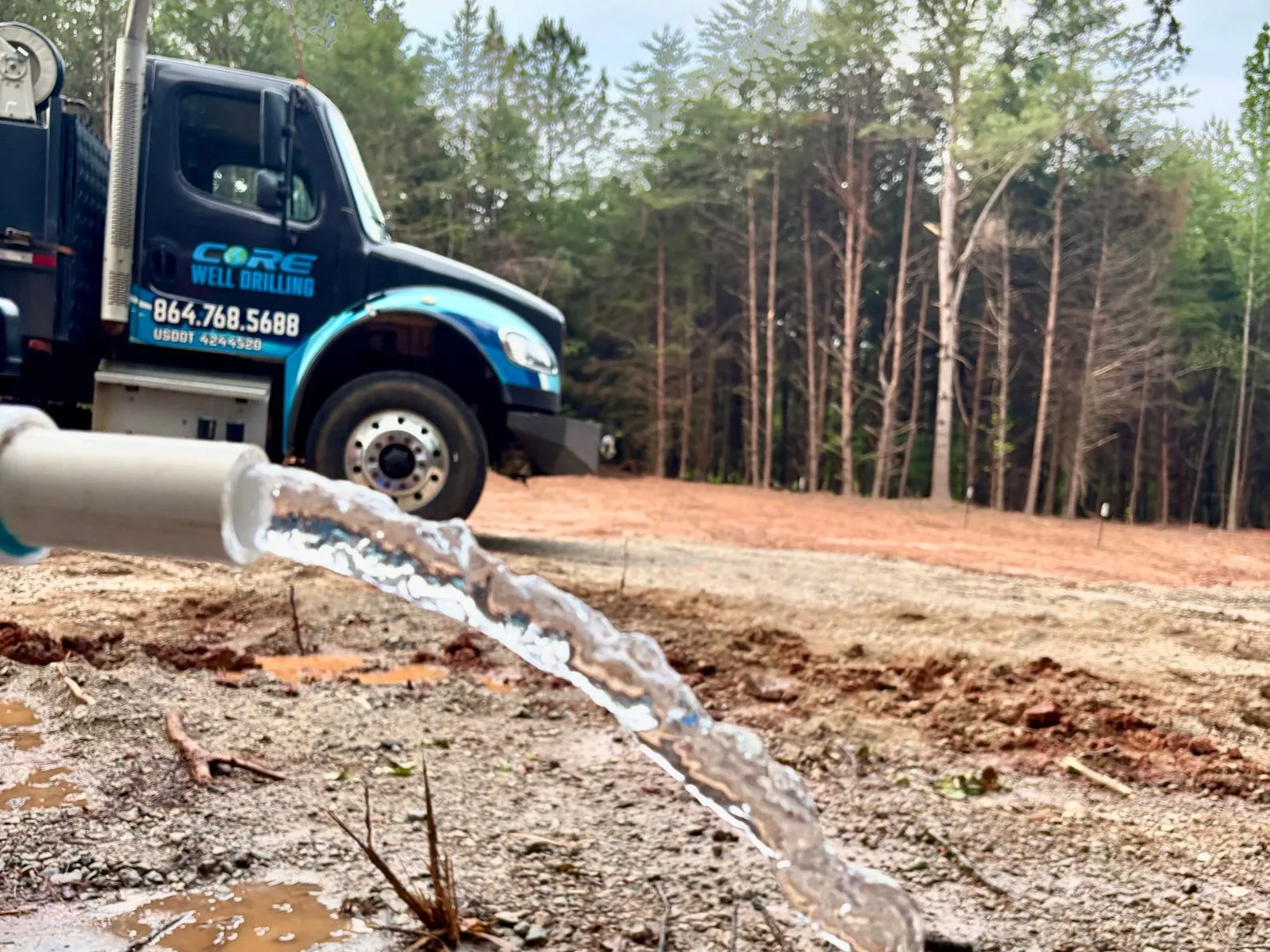
Well Pump Repair
No water at the house, pressure that keeps dropping, or a pump that never shuts off. We check the system in order and repair or replace the part that failed.
Learn More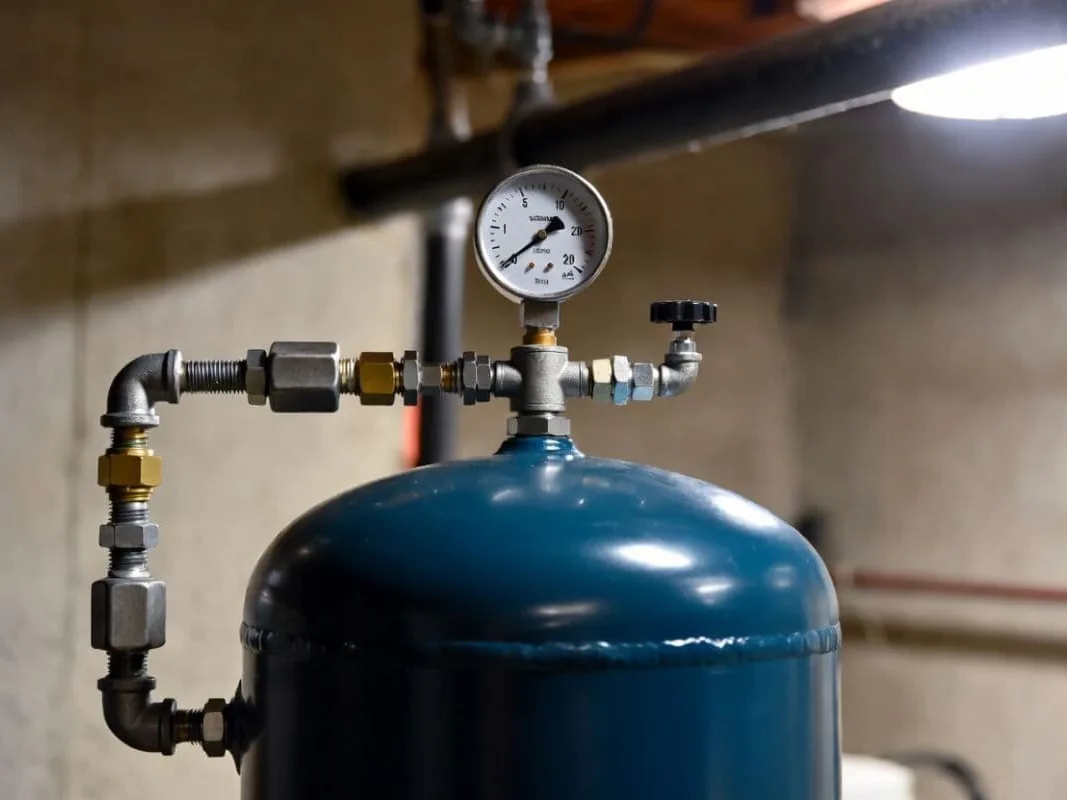
A well pressure tank is the tank tied into the water line coming from your well. It holds water under pressure between pump runs. Open a faucet and the tank feeds the house first. The pump starts only when the pressure drops to the cut-in setting.
When the tank quits doing that job, the pump takes the beating. A waterlogged tank makes the pump switch on and off every few seconds. We install new well pressure tanks and replace failed ones across the Upstate, sized to the pump on your well. A tank often goes in with a well pump installation, and it can also be swapped on its own.
Tell us about the job. We will get right back to you.
Inside the tank is a rubber bladder with air on one side and water on the other. The pump fills the tank until the pressure hits the cut-out setting, then shuts off. The air pushes that stored water into the house while the pump rests.
The tank's second job is to protect the pump. Most of the wear on a well pump happens at the moment it starts and stops. A tank with a healthy air charge cuts the number of starts, and the pump lasts longer for it.
Size follows the pump and the pressure settings. The bigger the tank, the more water it holds between pump starts, and the less that pump cycles. An undersized tank on a strong pump runs the system hard from the day it goes in.
The loudest sign is short cycling. The pump starts and stops every few seconds while water runs, and that means the air cushion is gone. When the water inside absorbs all of the air, the tank is called waterlogged.
Pressure that swings up and down at the faucet is another sign. So is a tank that feels heavy all over when you knock on it, top and bottom. Water at the air valve on top says the bladder has split. A worn pressure switch causes the same rapid cycling, so the switch gets checked at the same time.
Some waterlogged tanks come back with a fresh air charge. We cut power to the pump, drain the tank down, then set the air pressure with a gauge. If the charge bleeds off again, the bladder is done and the tank gets replaced. When the pump is the part that failed, that job is well pump repair.
A Clemson Extension fact sheet lists the common switch settings as 20/40, 30/50 and 40/60 psi. The low number is the cut-in, where the pump starts. The high number is the cut-out, where it stops. Which pair your system runs depends on the pump and the plumbing in the house.
The air charge inside the tank is set against those numbers. Industry guidance puts the precharge 2 psi below the cut-in pressure. That way the tank hands off its last water without a drop at the tap. We check the charge before plumbing a tank in, since tanks do not always arrive set for your system.
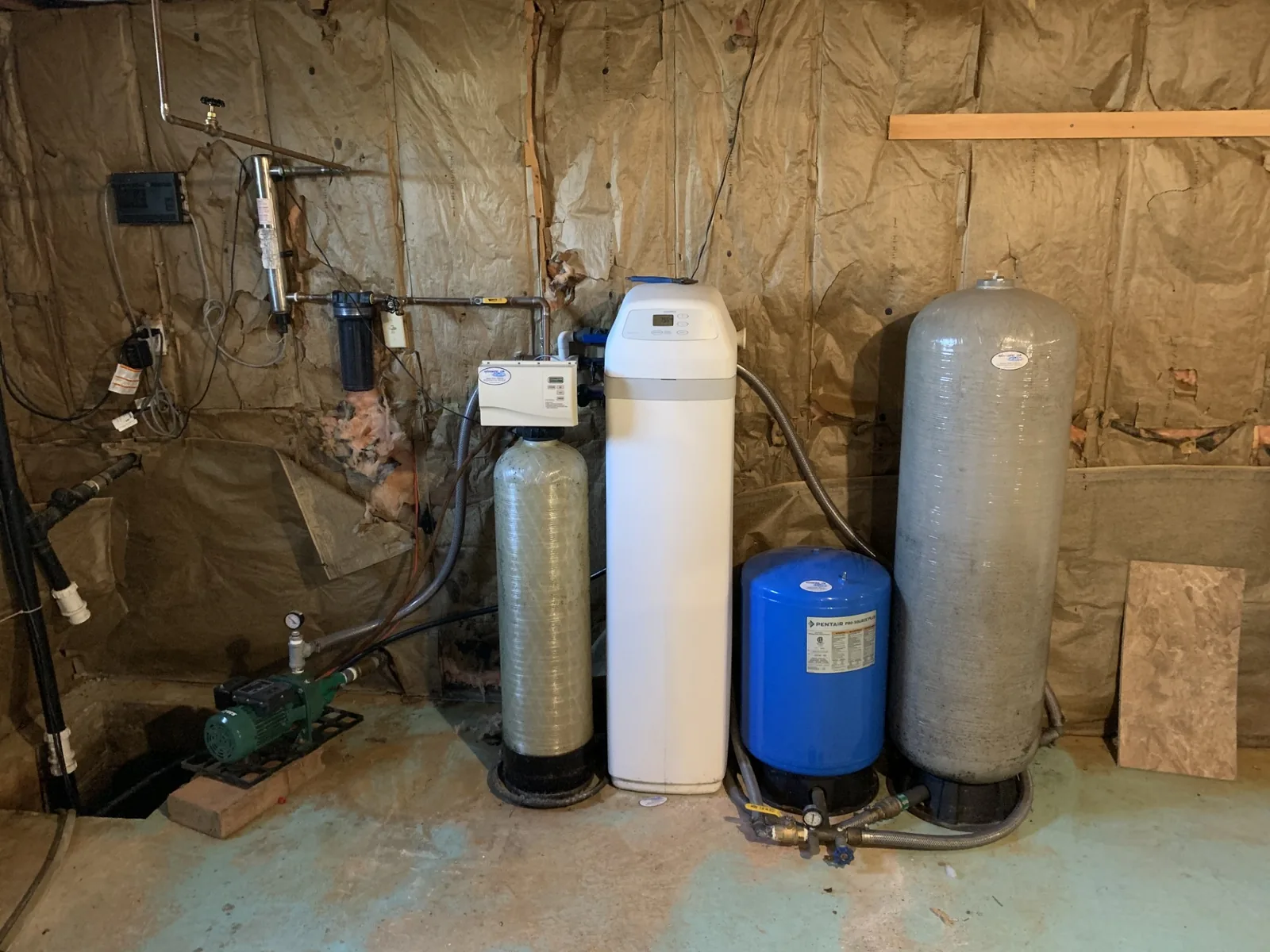
Pressure tanks sit where they stay dry and out of the weather. In Upstate homes that is usually a basement, a crawlspace, a garage or a well house. Where the water carries iron, the state water quality guide says tanks should be drained regularly to clear the deposits. On a new well the tank goes in with the pump once we finish drilling the well.
Free estimates and site visits across the Upstate, about 60 miles around Spartanburg.
(864) 768-5688From the first call to water at the house, here is how it goes.
Call (864) 768-5688 and tell us where the land is and what the water is for. If we are on a job, leave a message and we will get back to you.
We look at the property before the job is scheduled. Setbacks matter here, since the state well standards keep a well 75 feet from a septic tank or drainfield.
The estimate quotes a minimum depth for your well. Bedrock depth is not something anyone can see from the surface, so the estimate explains how casing cost can change.
The rig drills through soil and weathered rock into the bedrock below. Casing is set into that rock and grouted, then the well is developed until the water runs clear.
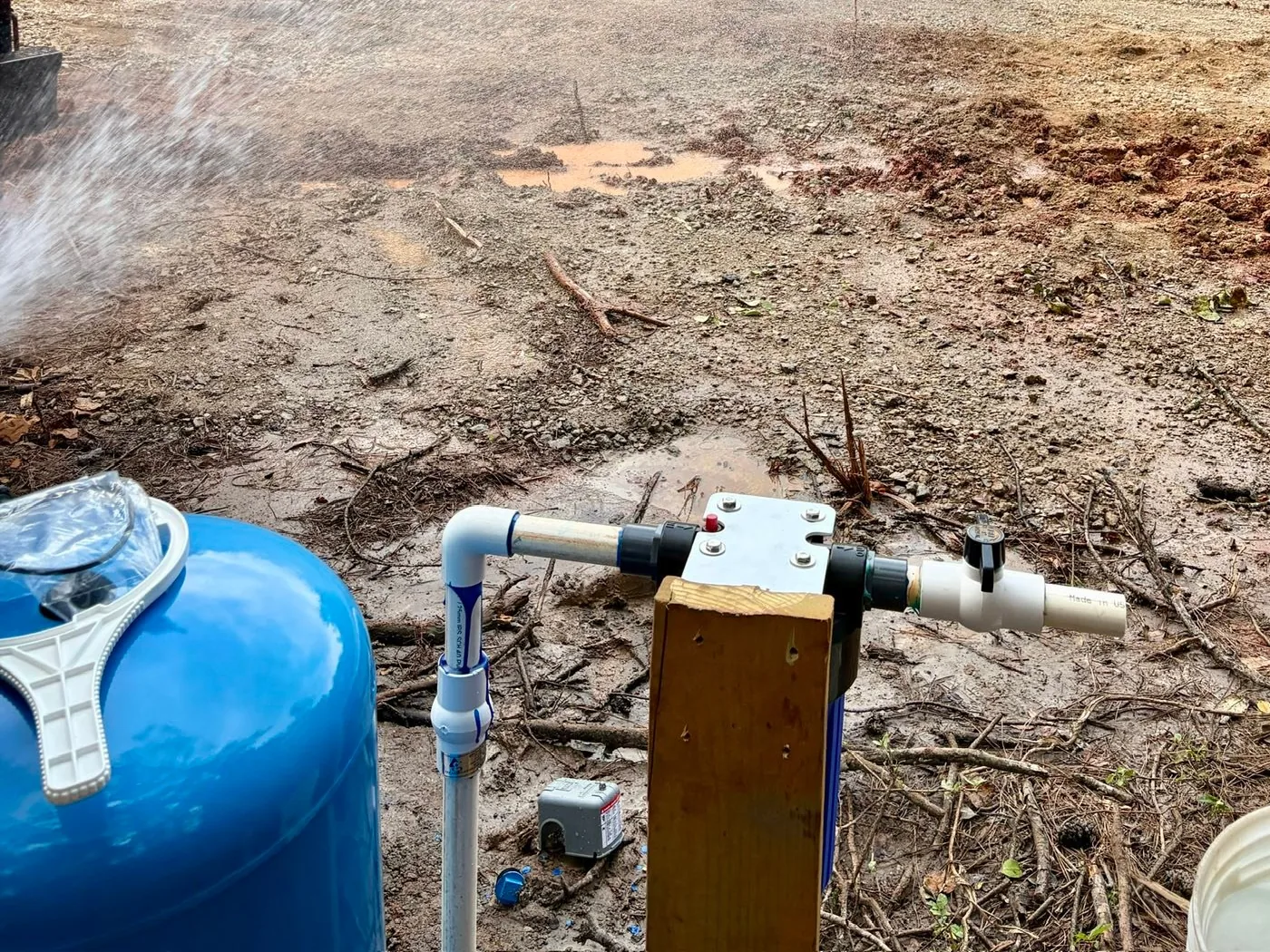
We size the pump to the depth and yield of your well. Then we set the drop pipe, the pitless adapter and the pressure tank. The water line runs to the house and the water comes on.
Common questions about pressure tanks across the Upstate, about 60 miles around Spartanburg. If yours is not here, call and ask.
No water at the house, pressure that keeps dropping, or a pump that never shuts off. We check the system in order and repair or replace the part that failed.
Learn More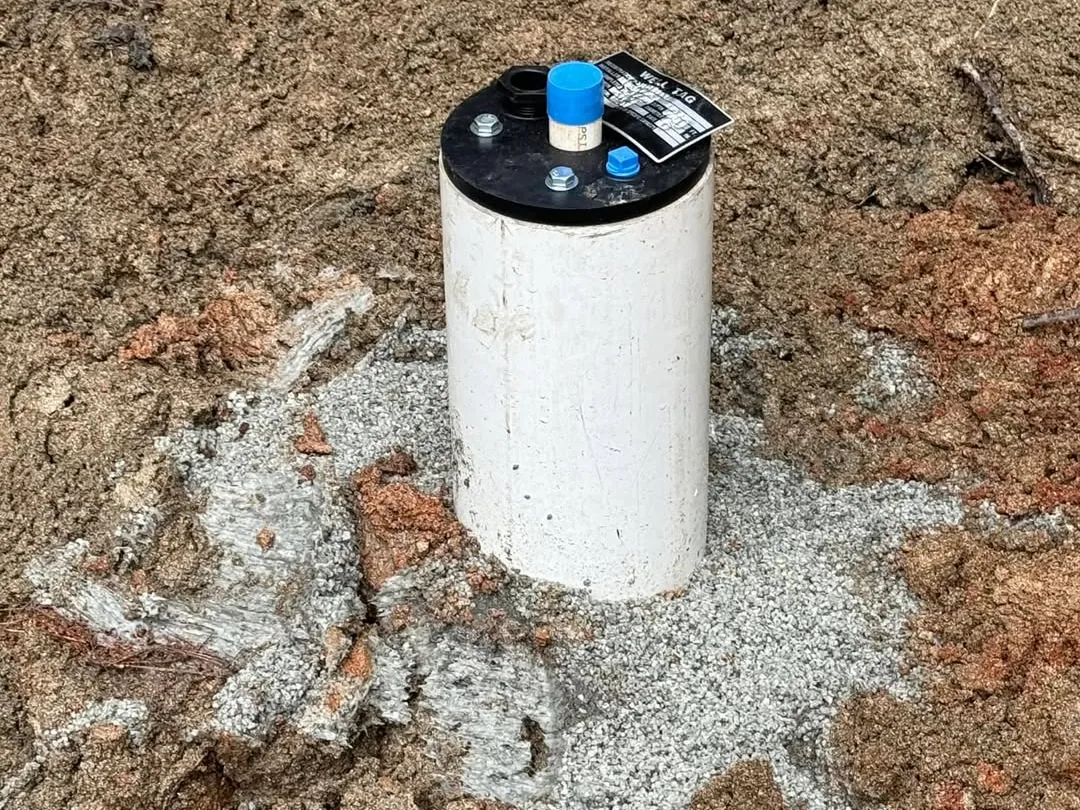
Core Well Drilling installs the complete pump system on new and existing wells. That covers the submersible pump, the pitless adapter, the pressure tank and switch, and the hookup at the house.
Learn More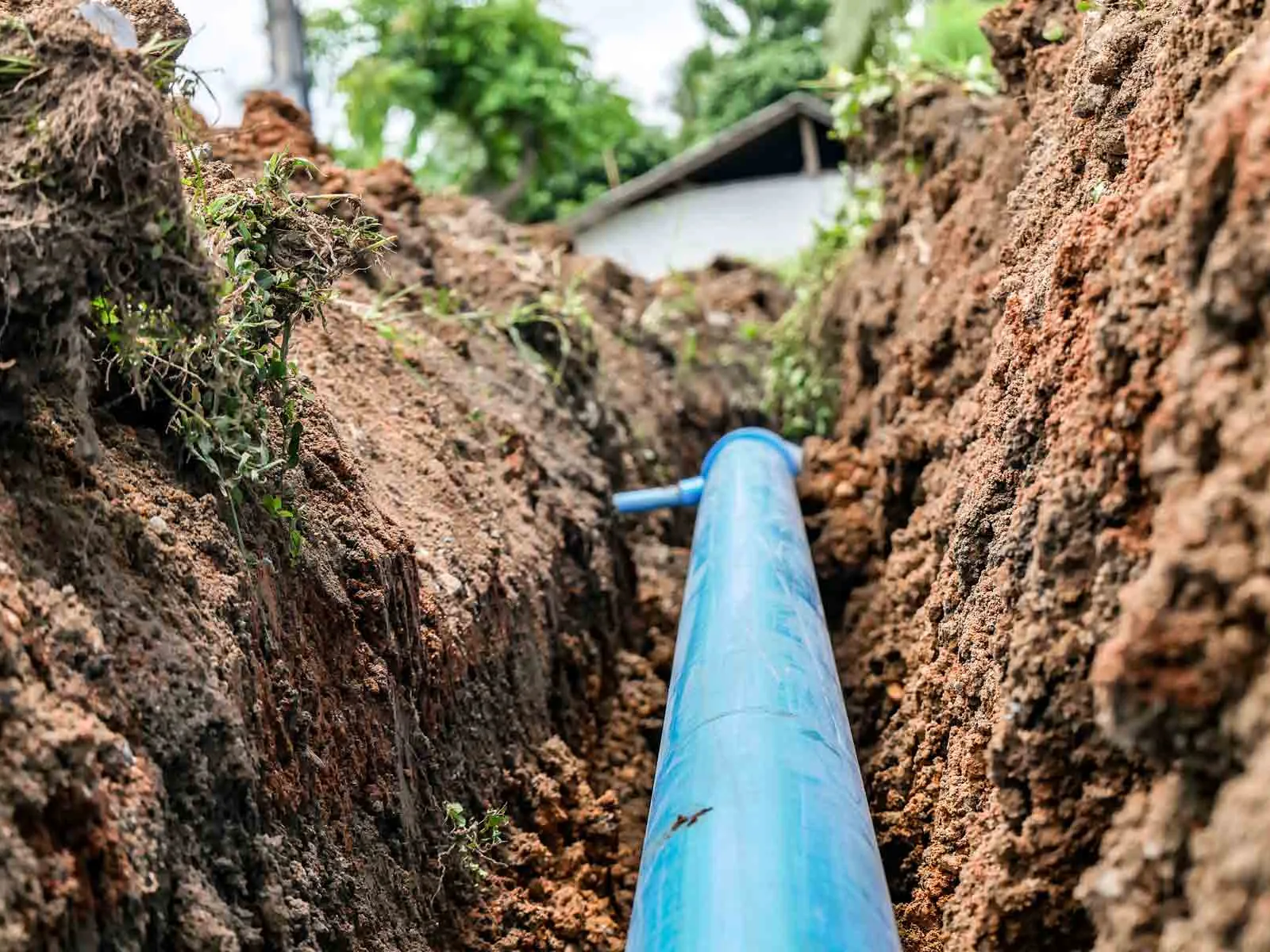
We trench and lay the water line from the wellhead to the house or the barn. Old lines that leak or sit too shallow get replaced the same way.
Learn MoreCore Well Drilling is licensed and bonded in South Carolina. Every well is built to the state well standards. The well record is filed with the state when the job is done.
Our drillers bring more than 40 years of drilling experience. Two wells a mile apart can hit rock at very different depths. That experience shows in where we put the well.
We look at the property before the job is scheduled, so the well goes where it works best. The written estimate quotes a minimum depth, and estimates are free.
You call one number for the well, the pump, the pressure tank and the water line. The same number gets you well pump repair years down the road.
What a well pressure tank replacement costs: national ranges by tank size, labor, lifespan and the signs a tank is done. Call (864) 768-5688.
Read more →
Low water pressure from your well? See what causes weak, fading and cycling well water pressure on an Upstate South Carolina well, and what fixes it.
Read more →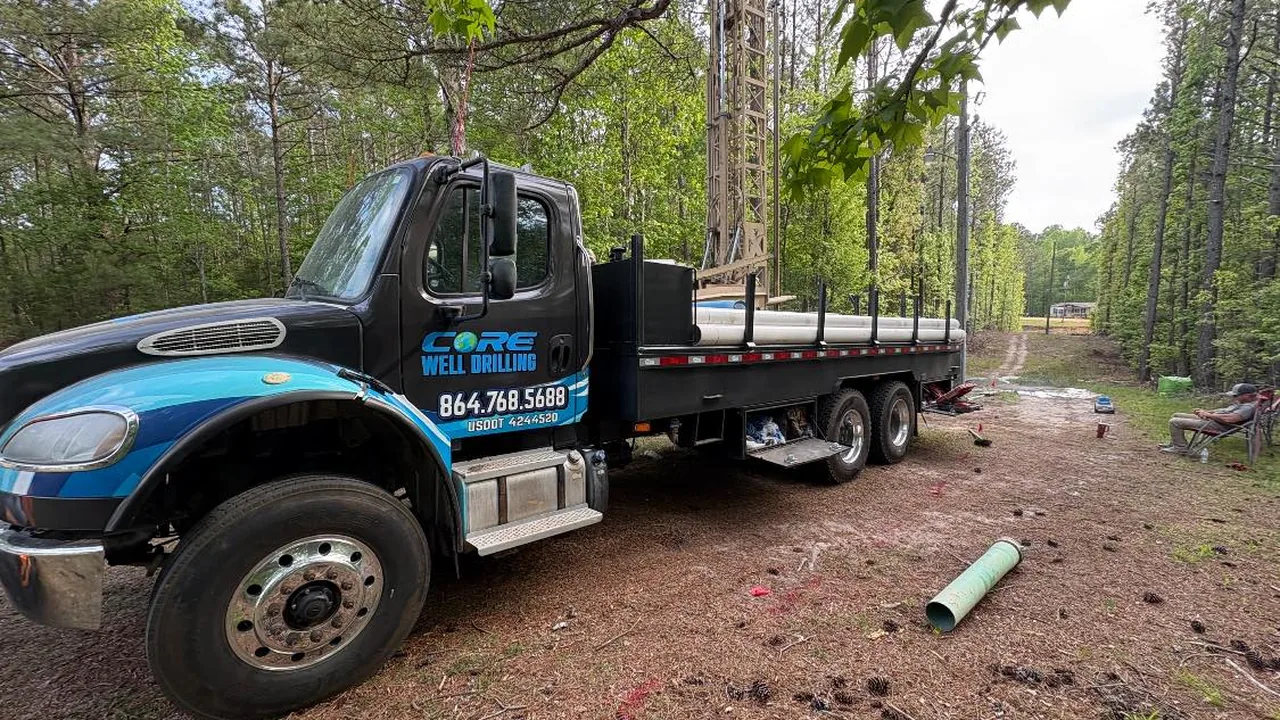
No water from your well? Check the power, the pressure switch, the tank and the pump before you call. A plain guide for Upstate SC well owners.
Read more →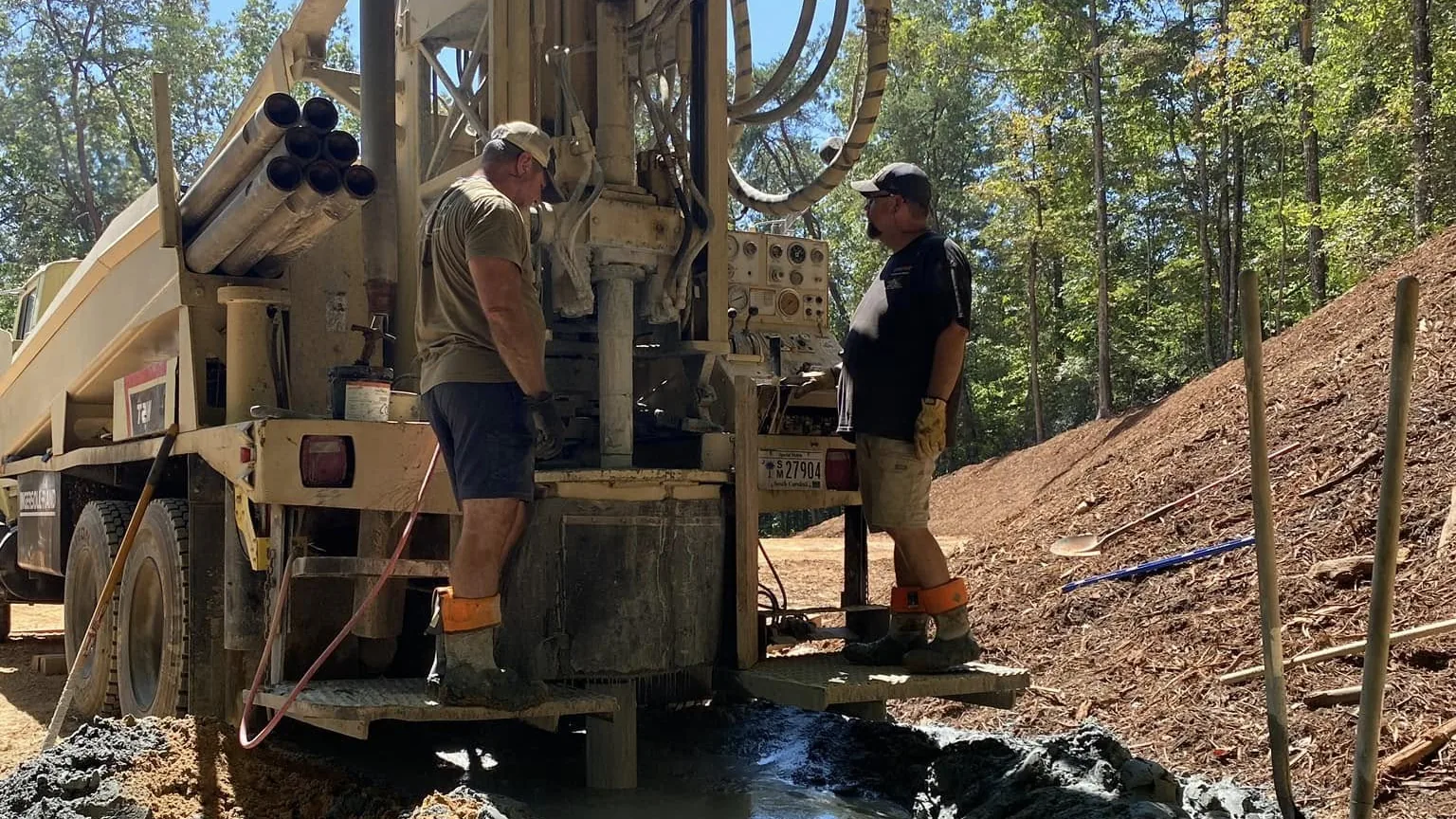
National cost guides put a home water well near $3,000 to $15,000. See what drives well drilling cost in the Upstate, then call (864) 768-5688.
Read more →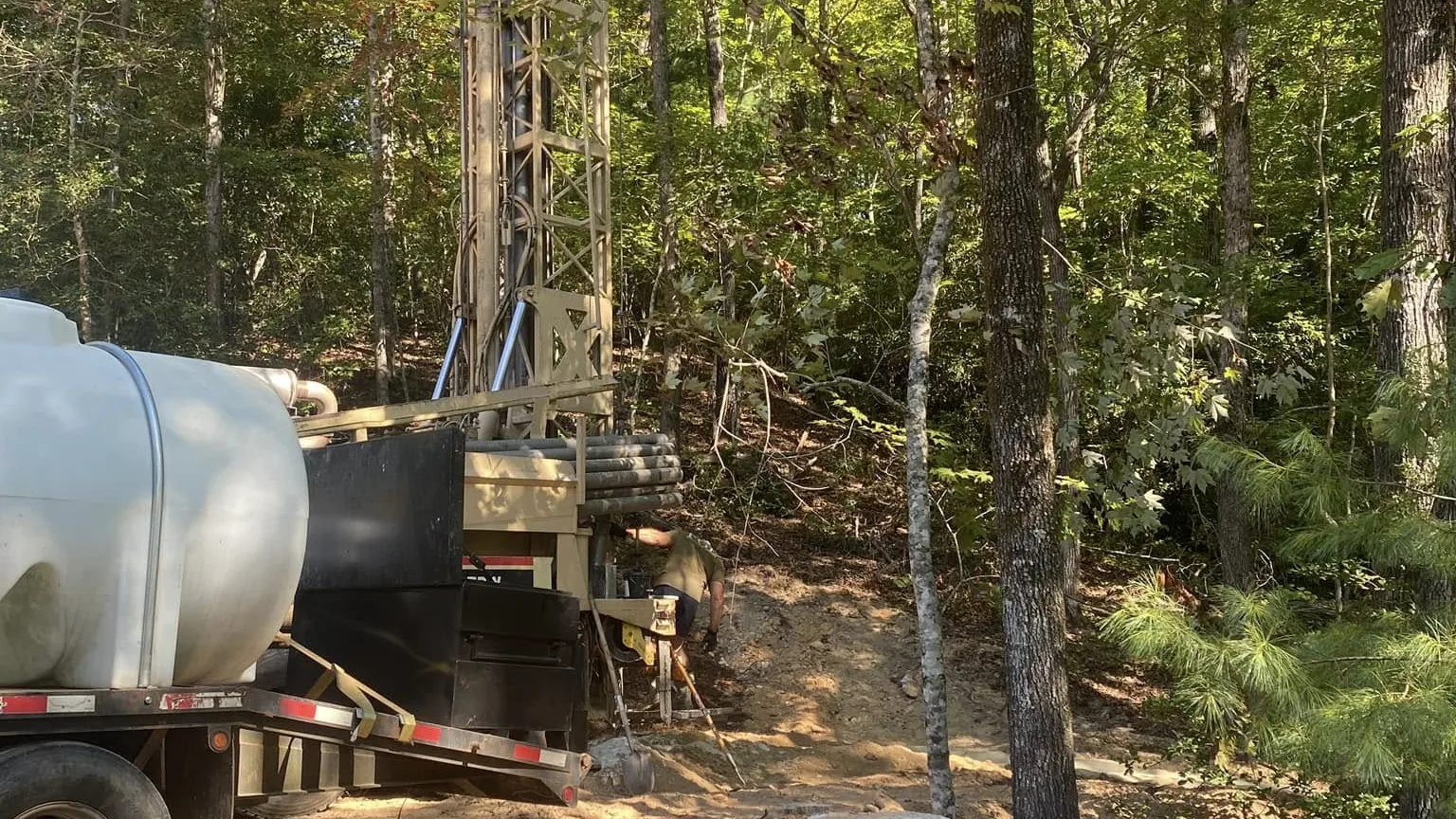
Well pump replacement runs $975 to $2,821 in national cost guides. What drives the price on an Upstate South Carolina well, and when a repair is enough.
Read more →Send your details here and we will get back to you. You can also call (864) 768-5688, and estimates are free.
Tell us about the job. We will get right back to you.