Water Lines
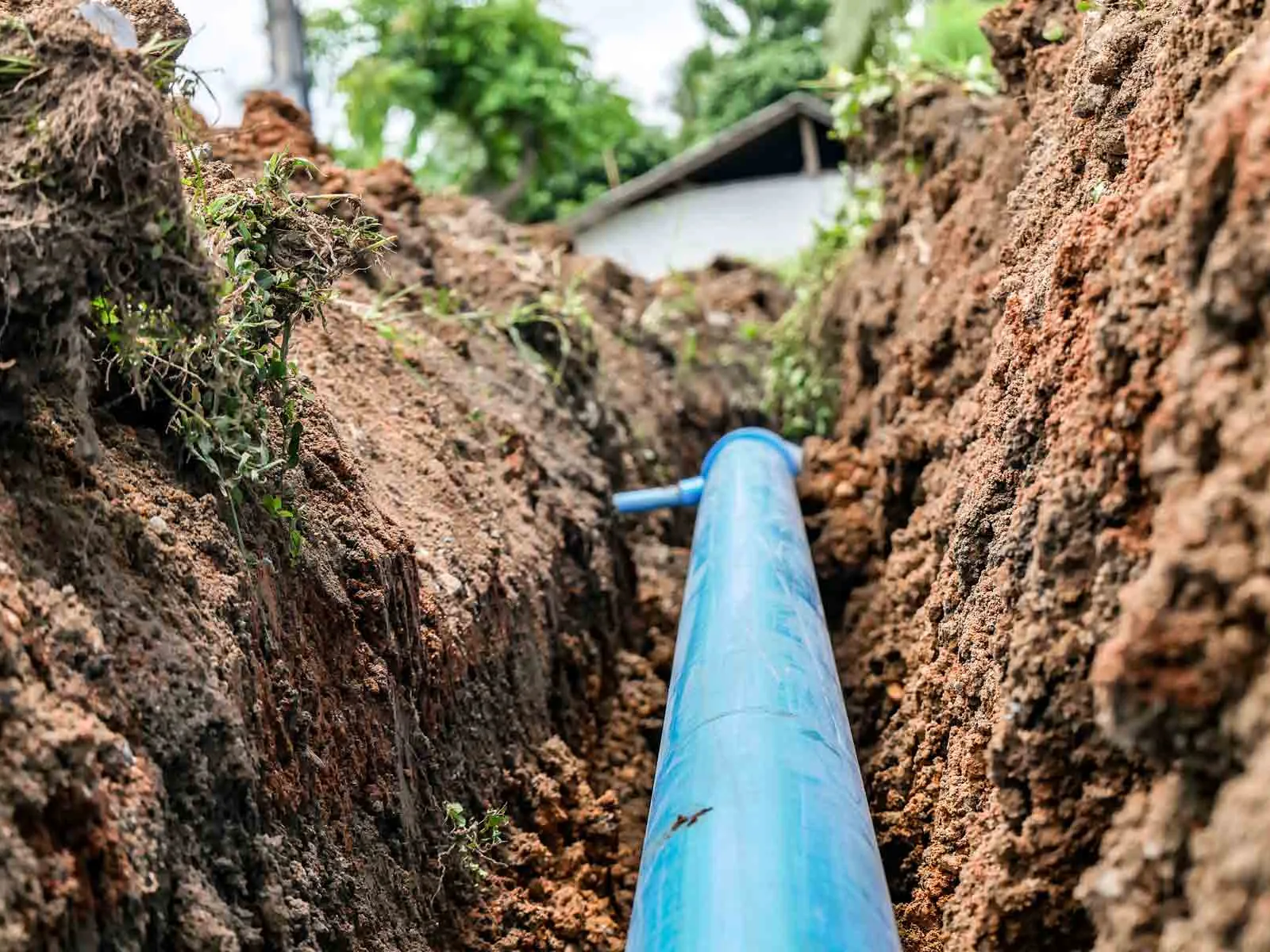
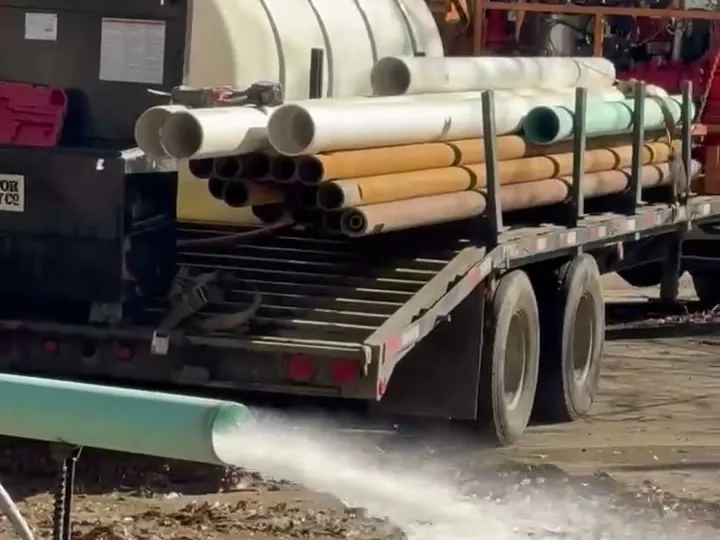
We trench and lay the water line from the wellhead to the house or the barn. Old lines that leak or sit too shallow get replaced the same way.
Learn More
An irrigation well is a well drilled for the water a house tap was never sized to carry. That is sprinkler zones, stock tanks, a pond that drops in August, or a pool that needs filling. Core Well Drilling drills irrigation and farm wells across the Upstate, out of our shop in Pacolet in Spartanburg County.
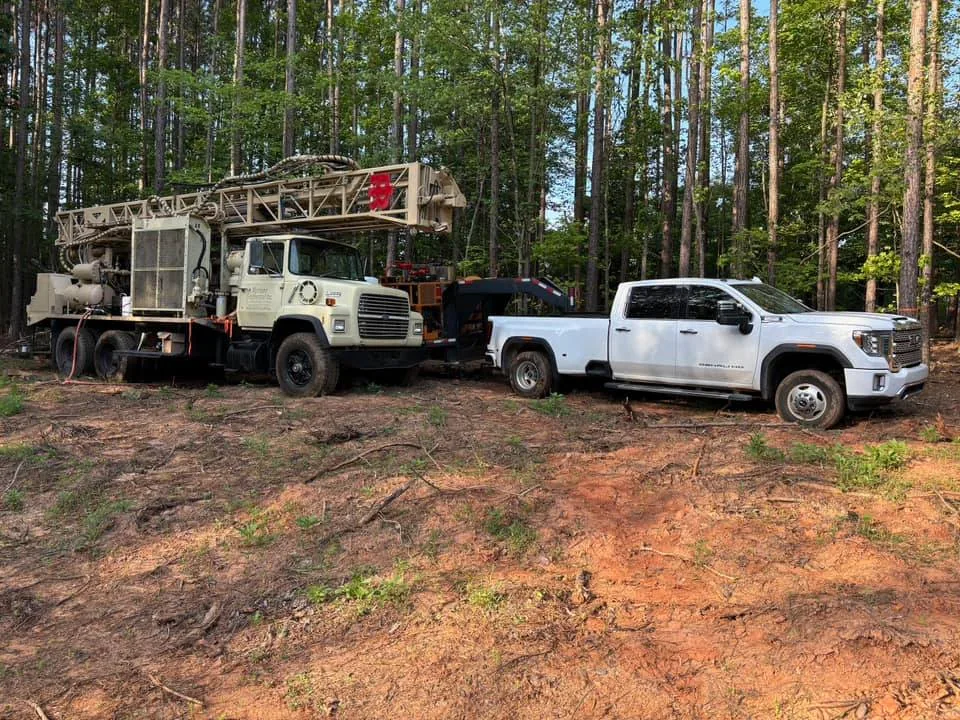
The work looks a lot like drilling a new water well for a house. We survey the site, drill through soil and weathered rock, and set casing into bedrock. What changes is the sizing, because a farm well is built around gallons per minute and long run times. Core Well Drilling is licensed and bonded, and our drillers bring more than 40 years of drilling experience.
Tell us about the job. We will get right back to you.
A house well works in short bursts. Someone runs a shower, the tank empties, and the pump catches back up. An irrigation zone pulls for much longer. It empties the tank in a few minutes, and after that the pump feeds the sprinklers from the well.
So the number that matters for irrigation is the steady yield of the well in gallons per minute. A pasture needs the well itself to keep up for the whole run. We size the pump to what the well gives back.
Where the well can sit changes too. The South Carolina well standards keep a well at least 50 feet from a barn, stable or feedlot. Ponds, lakes and streams also call for 50 feet, and a septic tank or drainfield needs 75 feet. On a working property those setbacks add up, so we confirm them on the site survey.
Sizing starts on your side of it. Count the sprinkler heads that run at once, or the stock that drink from the tank. For a pond, the question is how many gallons it is short and how fast you want it back.
Then the ground gets a say. Upstate wells pull water from cracks in the bedrock below the red clay. A study of 1,069 wells in Spartanburg, Greenville and northern Pickens counties found a wide spread. Yields ran from zero to 200 gallons per minute, and the median was 8.
The United States Geological Survey puts the strongest Piedmont wells in broad draws and valleys. Hilltops and steep slopes usually give up less, which is what the site survey is for. We pick the spot with you and quote a minimum depth in writing. The yield gets measured when the well is finished.
A finished irrigation well still needs a pump package before water moves. That is a submersible pump on drop pipe, with a pitless adapter at the casing. A pressure tank, a switch and the wiring finish it out. Our well pump installation work covers the same parts on a house well or a farm well.
Irrigation runs are harder on a pump than house plumbing. Most of the wear on a well pump happens when it starts and stops. Sizing the pump and setting the cut in and cut out pressures keeps the cycling down.
Then the water has to get where it is going. That can be a run to the barn, a line to a pasture trough, or a feed into the pond. We do the water line trenching from the wellhead out, below frost depth. A low pressure cut off on the switch shuts the pump down if the water drops too far.
Free estimates and site visits across the Upstate, about 60 miles around Spartanburg.
(864) 768-5688From the first call to water at the house, here is how it goes.
Call (864) 768-5688 and tell us where the land is and what the water is for. If we are on a job, leave a message and we will get back to you.
We look at the property before the job is scheduled. Setbacks matter here, since the state well standards keep a well 75 feet from a septic tank or drainfield.
The estimate quotes a minimum depth for your well. Bedrock depth is not something anyone can see from the surface, so the estimate explains how casing cost can change.
The rig drills through soil and weathered rock into the bedrock below. Casing is set into that rock and grouted, then the well is developed until the water runs clear.
We size the pump to the depth and yield of your well. Then we set the drop pipe, the pitless adapter and the pressure tank. The water line runs to the house and the water comes on.
Common questions about irrigation wells across the Upstate, about 60 miles around Spartanburg. If yours is not here, call and ask.
We trench and lay the water line from the wellhead to the house or the barn. Old lines that leak or sit too shallow get replaced the same way.
Learn More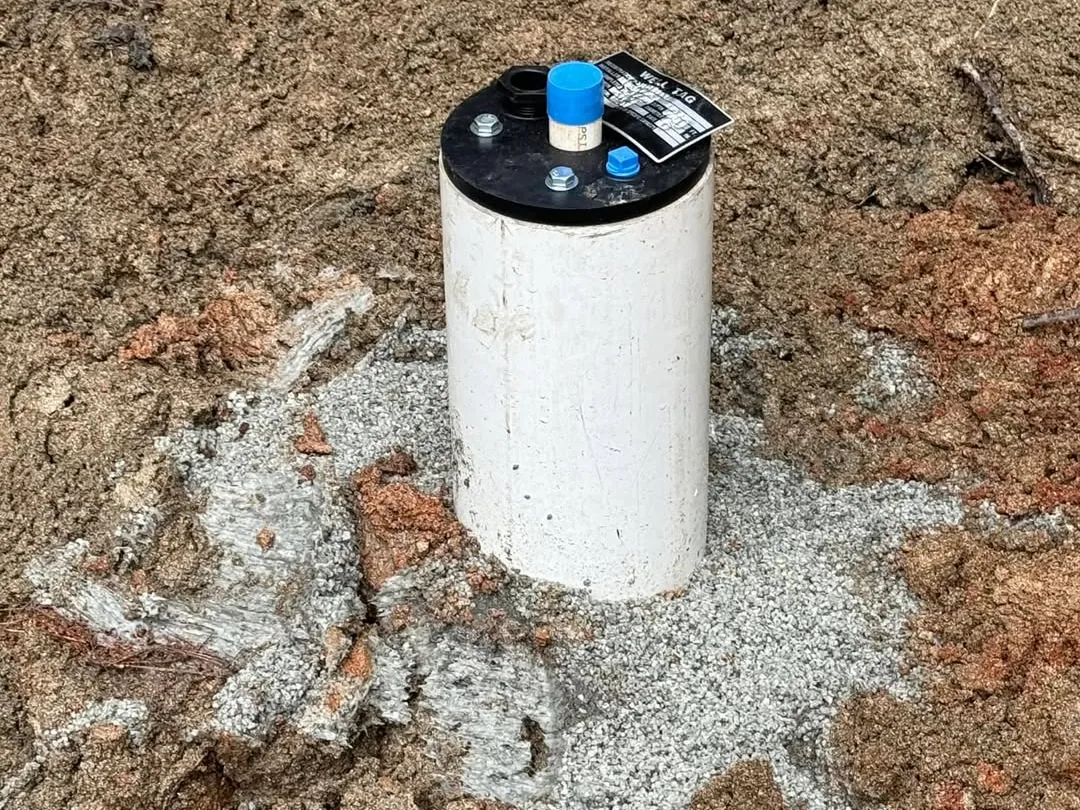
Core Well Drilling installs the complete pump system on new and existing wells. That covers the submersible pump, the pitless adapter, the pressure tank and switch, and the hookup at the house.
Learn More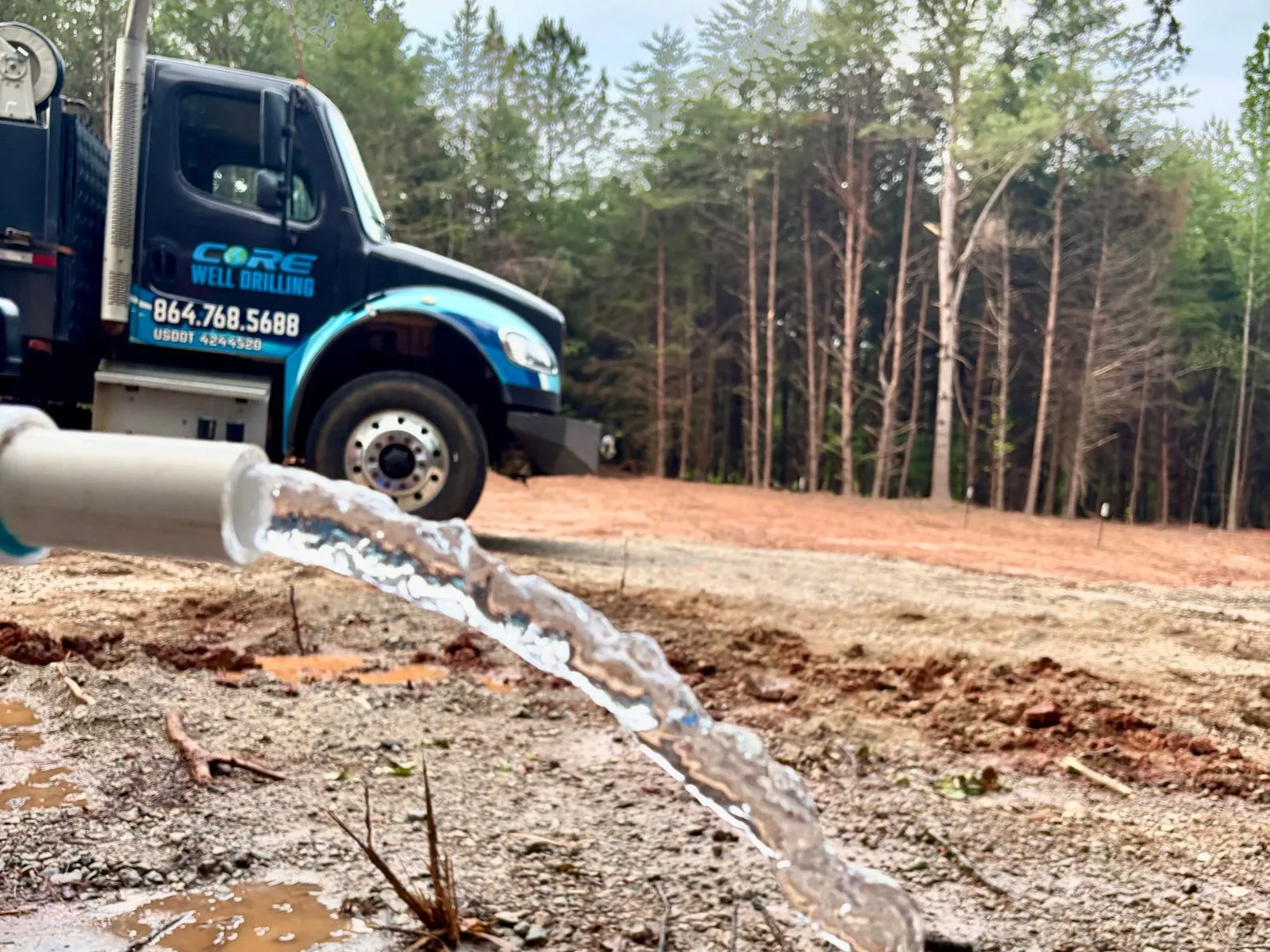
No water at the house, pressure that keeps dropping, or a pump that never shuts off. We check the system in order and repair or replace the part that failed.
Learn MoreCore Well Drilling is licensed and bonded in South Carolina. Every well is built to the state well standards. The well record is filed with the state when the job is done.
Our drillers bring more than 40 years of drilling experience. Two wells a mile apart can hit rock at very different depths. That experience shows in where we put the well.
We look at the property before the job is scheduled, so the well goes where it works best. The written estimate quotes a minimum depth, and estimates are free.
You call one number for the well, the pump, the pressure tank and the water line. The same number gets you well pump repair years down the road.
Send your details here and we will get back to you. You can also call (864) 768-5688, and estimates are free.
Tell us about the job. We will get right back to you.